The R6 Marketplace has changed how Rainbow Six Siege players collect, trade and value cosmetic items. Instead of relying entirely on packs or waiting for particular cosmetics to return to the in-game shop, eligible players can use Ubisoft’s official marketplace to buy and sell selected items using R6 Credits.
For players with unwanted cosmetics sitting in their inventory, the marketplace can also be a way to turn those items into R6 Credits that can then be spent on other tradable cosmetics. However, prices can change significantly depending on supply, demand and the rarity of an item.
This guide explains how the Rainbow Six Siege Marketplace works, who can use it and what players should know before placing an order.
What Is the R6 Marketplace?
The R6 Marketplace is Ubisoft’s official trading platform for Rainbow Six Siege cosmetic items. Players can list eligible items from their inventory for sale or place purchase orders for cosmetics being sold by other players.
Transactions are completed using R6 Credits, rather than cash being transferred directly between players.
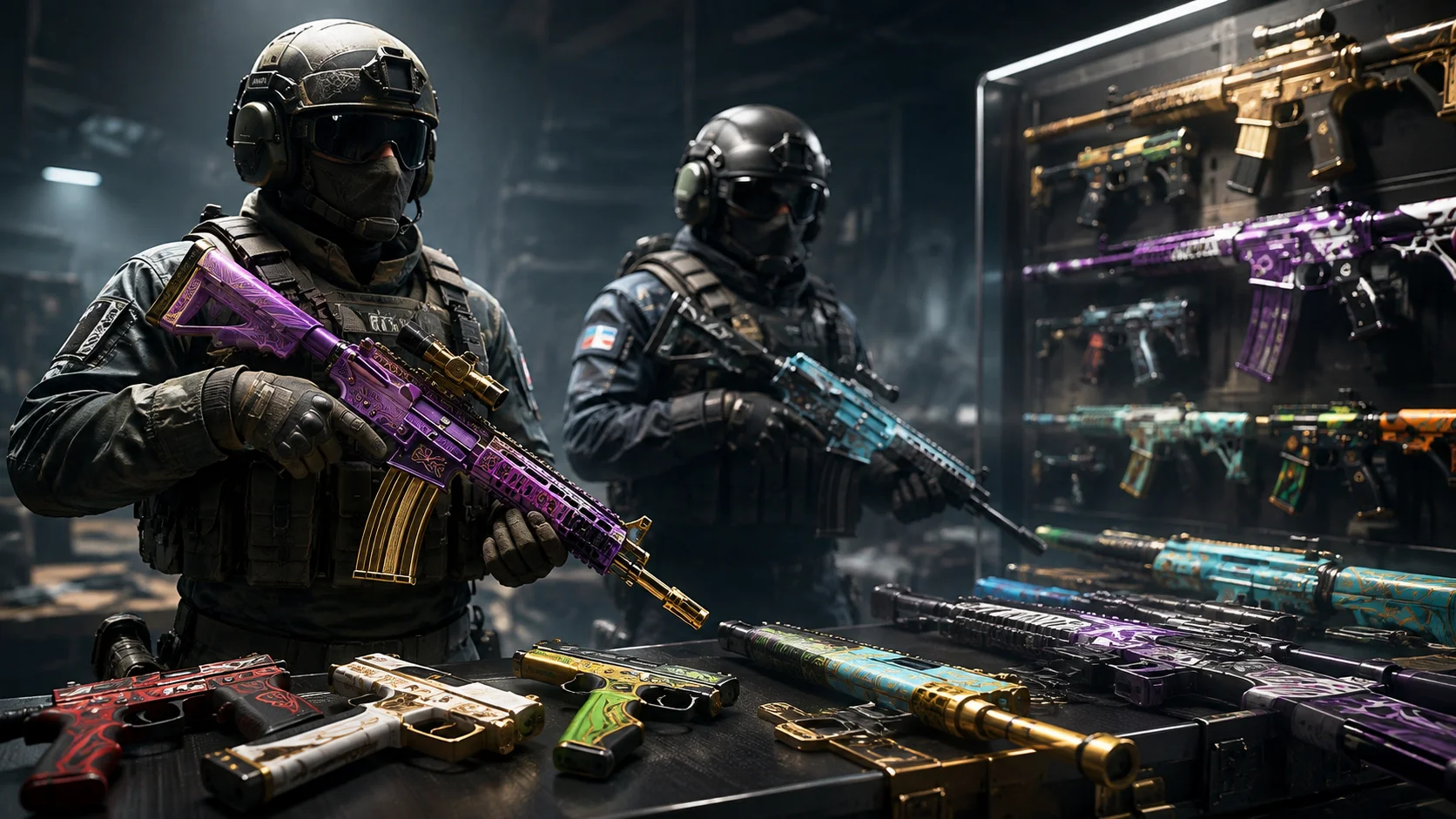
The marketplace can include different types of cosmetic content, such as:
- Weapon skins
- Headgear
- Uniforms
- Charms
- Attachment skins
- Operator portraits and cards
- Other eligible cosmetic items
Not everything in a player’s inventory can necessarily be traded. Ubisoft determines which items are eligible for the marketplace.
How Does the R6 Marketplace Work?
The system works through buy and sell orders rather than direct negotiations between individual players.
A buyer selects an item and enters the maximum number of R6 Credits they are willing to spend. The marketplace then attempts to match that order with an available seller.
Ubisoft explains that the buyer’s chosen figure acts as a maximum price, while the system looks for the lowest matching sale price available.
Similarly, sellers enter the price they want for an item and wait for a compatible purchase order.
| Marketplace Action | How It Works |
| Buying | Choose an item and enter the maximum price |
| Selling | Select an eligible owned item and set an asking price |
| Currency | R6 Credits |
| Transaction Fee | 10% deducted from completed sales |
| Order Management | Active orders can be viewed and managed |
| Item Availability | Only Ubisoft-approved tradable items appear |
This structure means there is no need to find another player manually and arrange a private trade.
Who Can Use the R6 Marketplace?
Players must meet Ubisoft’s marketplace access requirements.
Current Ubisoft support information states that an account must be at least Level 25 in Rainbow Six Siege and must have recently earned XP by playing the game to access the marketplace.
Eligibility rules can be updated, so players who cannot access the marketplace should check their Ubisoft account and the latest official requirements.
Restrictions may also apply to accounts that have received certain sanctions or fail to meet Ubisoft’s account-security requirements.
How to Buy Items on the R6 Marketplace?
Buying an item is relatively straightforward.
Players can:
- Log in to the official R6 Marketplace.
- Open the Buy section.
- Search for the desired cosmetic.
- Select the item.
- Enter the maximum number of R6 Credits they are prepared to pay.
- Submit the purchase order.
- Wait for the marketplace to find a matching seller.
Ubisoft confirms that only currently tradable cosmetics appear for purchase.
If a matching seller is already available, the transaction may complete quickly. Otherwise, the purchase order remains open while the marketplace waits for an appropriate listing.
Why Is the Purchase Price Sometimes Lower Than the Bid?
A player’s bid represents the maximum price they are willing to pay, rather than necessarily the final price.
For example, a player might create an order offering up to 600 R6 Credits. If the marketplace can match the order with an eligible seller at a lower price, the transaction can be completed at that lower price.
This makes it useful to check recent pricing activity before submitting an order instead of automatically offering the maximum available balance.
How to Sell Items on the R6 Marketplace?
Selling works in a similar way.
Players open the Sell section, where eligible cosmetics from their Rainbow Six Siege inventory are displayed. They can select an item, choose an asking price and create a sale order.
If an owned cosmetic does not appear in the Sell section, Ubisoft states that it cannot currently be traded.
Once a compatible buyer is found, the transaction is completed and the seller receives R6 Credits after the marketplace fee is deducted.
What Is the R6 Marketplace Selling Fee?
Ubisoft retains a 10% transaction fee from each completed sale.
For example:
| Sale Price | Ubisoft Fee | Seller Receives |
| 100 R6 Credits | 10 | 90 |
| 500 R6 Credits | 50 | 450 |
| 1,000 R6 Credits | 100 | 900 |
| 5,000 R6 Credits | 500 | 4,500 |
Players should therefore account for the fee when deciding whether selling an item at a particular price is worthwhile.
Why Can’t Some R6 Skins Be Sold?
Owning an item does not automatically mean it is tradable.
Ubisoft controls which cosmetics can enter the marketplace. The official marketplace notes, for example, that current-season items may not become tradable until a later season.
An item might therefore be unavailable because:
- It is too new.
- Ubisoft has excluded it from trading.
- It belongs to a restricted cosmetic category.
- It has not yet been added to the marketplace.
- The player’s version of the item is not eligible for resale.
Marketplace availability can change as Ubisoft introduces more cosmetics into the trading system.
What Are the Most Expensive R6 Marketplace Skins?
Some cosmetics can attract substantially higher prices than ordinary skins because they are scarce, historically significant or highly desirable among collectors.
The exact ranking of the most expensive R6 skins is constantly changing because prices are determined through marketplace activity.
Older limited cosmetics, rare weapon skins and sought-after competitive or event items can sometimes attract particularly strong demand.
However, a high listed price does not necessarily mean an item regularly sells for that amount. Players should pay attention to actual market activity rather than judging an item’s value from a single ambitious listing.
Can You Make R6 Credits From the Marketplace?
Players can potentially increase their R6 Credit balance by selling cosmetics they no longer want.
Some also attempt to buy cosmetics when prices are relatively low and resell them later if demand increases.
However, there is no guarantee that an item’s price will rise.
Marketplace prices can move because of:
- More copies becoming available.
- Changes in player demand.
- New cosmetic releases.
- Old cosmetics returning elsewhere.
- Changes to marketplace eligibility.
- Seasonal events or updates.
The 10% selling fee must also be considered when calculating whether a resale has actually generated additional Credits.
Is the R6 Marketplace Safe?
Using Ubisoft’s official marketplace is considerably different from trading through an unofficial third-party website.
The official R6 Marketplace keeps transactions within Ubisoft’s system and uses R6 Credits. Players do not need to negotiate directly with unknown buyers or sellers.
Players should still protect their Ubisoft accounts carefully.
They should avoid websites or individuals promising unusually cheap R6 Credits, guaranteed marketplace profits or methods of transferring valuable cosmetics outside Ubisoft’s official systems.
Never provide Ubisoft login credentials or account-security codes to another person simply because they claim they can complete a marketplace transaction.
Can R6 Marketplace Items Be Sold for Real Money?
The official marketplace does not operate as a cash-out marketplace.
Transactions are conducted using R6 Credits.
Selling a rare cosmetic therefore does not mean Ubisoft sends money to the player’s bank account. Instead, the player receives R6 Credits, minus the applicable transaction fee, which remain within the Rainbow Six Siege ecosystem.
This distinction is particularly important when players see high R6 Credit valuations attached to rare cosmetics.
How Can Players Find Good Deals on the R6 Marketplace?
There is no guaranteed method for obtaining rare cosmetics cheaply, but patience can help.
Players may want to compare the current price with recent marketplace activity before placing an order. It can also be sensible to avoid immediately chasing an item after a sudden rise in demand.
When buying, setting a sensible maximum price can allow the marketplace’s matching system to locate a cheaper compatible sale if one becomes available.
When selling, pricing an item far above the active market may simply leave the order waiting without a buyer.
Can R6 Marketplace Orders Be Cancelled?
Yes. Ubisoft provides a My Transactions section where players can see active purchase and sale orders as well as their order history.
An unfulfilled order can be cancelled or its price can be changed before a match is found. Ubisoft also states that expired orders remain visible in transaction history, making it easier to repost them.
Once an order has successfully matched and the transaction has completed, however, players should not treat it like an ordinary pending listing.
Is the R6 Marketplace Worth Using?
For active Rainbow Six Siege players, the marketplace can be particularly useful because it gives older cosmetics a secondary market.
A player who has accumulated unwanted skins over several years may be able to sell eligible items and use the R6 Credits to obtain cosmetics they actually want.
Collectors also gain access to items that may no longer be readily obtainable through the normal store or current-season rewards.
The marketplace is less predictable for anyone trying to treat cosmetics purely as investments. Prices are driven by player activity and Ubisoft’s decisions about item availability, meaning the value of a skin can rise or fall.
Final Thoughts
The R6 Marketplace gives Rainbow Six Siege players an official way to trade eligible cosmetics without arranging direct player-to-player exchanges. Buyers can place orders for skins they want, while sellers can convert unwanted eligible cosmetics into R6 Credits.
Its order-based pricing system means patience and careful price checking can make a significant difference when buying or selling. Players should also remember that Ubisoft deducts a 10% fee from completed sales and that not every Rainbow Six Siege cosmetic is tradable.
For anyone interested in collecting rare skins or getting more value from an existing inventory, the Rainbow Six Siege Marketplace has become an important part of the game’s cosmetic economy.
FAQs
Is R6 Marketplace an official Ubisoft website?
Yes. The Rainbow Six Siege Marketplace is operated by Ubisoft and allows eligible players to trade supported cosmetic items using R6 Credits.
What level do you need for R6 Marketplace?
Ubisoft’s current support information states that players need to be at least Level 25 and have recently earned XP in Rainbow Six Siege.
Does R6 Marketplace take a fee?
Yes. Ubisoft deducts a 10% transaction fee from the proceeds of each completed sale.
Why can’t I sell one of my R6 skins?
Only eligible cosmetics can be traded. If an owned item does not appear under the Sell section, it is not currently tradable on the marketplace.
Can you withdraw R6 Marketplace Credits as cash?
No. Marketplace trades use R6 Credits within the Rainbow Six Siege ecosystem rather than providing players with a real-money withdrawal system.